
Fun Facts About Fleece: The Cozy, Comfy, and Versatile Fabric
This content contains affiliate links or sponsored elements, read our Disclosure Policy.





Who doesn’t love some fun fact about fleece? Winter is here again, and it’s time to get cozy! Whether you’re hiking in the mountains or lounging at home, fleece is your best friend for staying warm. This amazing fabric is a staple in cold-weather clothing and has a fascinating history and a host of remarkable qualities. Let’s dive into the world of fleece and uncover some fun facts that will make you appreciate this fabulous fabric even more!
Fun Facts About Fleece:
The Origin Story: From Wool Imitation to Everyday Essential
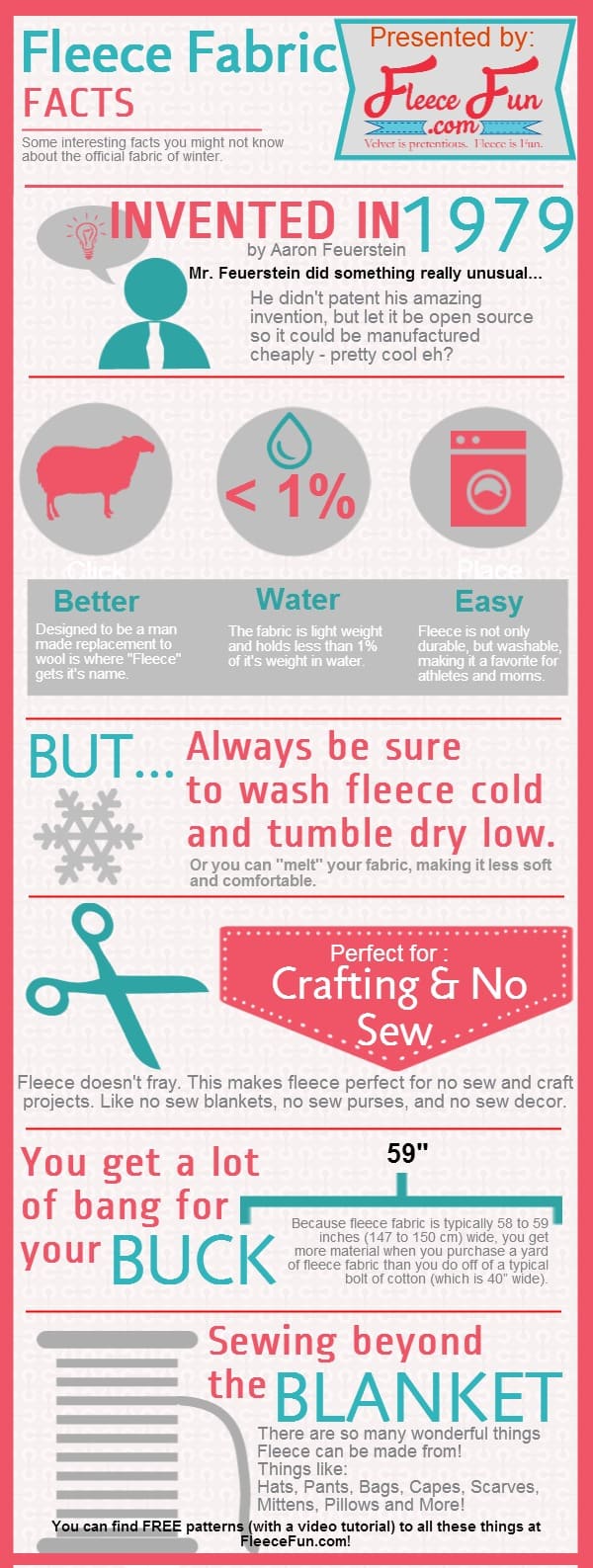
Fleece was invented in 1981 by an American textile maker, Malden Mills. It was designed to mimic the warmth and texture of wool without the itchiness. Unlike wool, fleece is lightweight, comfortable, and more affordable, making it an instant hit. Malden Mills chose not to patent fleece, allowing it to spread globally and become a popular choice in both sportswear and everyday fashion.
The Science Behind Fleece: Synthetic Marvel
Fleece is primarily made from polyester fibers, specifically Polyethylene terephthalate (PET), the same plastic used in soda bottles. This synthetic composition gives fleece its durability and strength. The fabric is created by weaving polyester fibers together, and then it’s brushed with a special technique to create that soft, fuzzy surface we all love. This process can be done on one or both sides of the fabric, resulting in different textures and levels of coziness.
Versatile Blends: Mixing it Up
Manufacturers often blend polyester fleece with other fibers like spandex to enhance its properties. For instance, you might find a fleece fabric that’s 89% polyester and 11% spandex. These blends make fleece even more versatile, allowing for various finishes and uses, such as lightweight or more stretchy fabrics. This versatility means you can find fleece in everything from mid-weight pullovers to the inside lining of sweatshirts.
The Many Types of Fleece: A Fabric for All Occasions
There are several types of fleece, each with unique characteristics:
- Polar Fleece: Known for its air pockets that trap and insulate heat, making it extremely warm.
- French Terry Fleece: Lightweight and less fluffy, perfect for a casual, comfortable feel.
- Sherpa Fleece: Thickly woven and closely mimicking wool, it’s incredibly warm and cozy.
- Coral Fleece: Known for it’s furry texture it’s a popular choice for blankets
- Minky Fleece: A favorite for baby items, this is arguably the softest and most luxurious of all the fleece types.
Fleece and the Environment: The Green Side of Cozy
Conventional fleece, while vegan, isn’t the most sustainable option due to its reliance on virgin polyester from PET plastic. However, recycled fleece offers a greener alternative. Made from single-use plastics, recycled fleece reduces landfill waste and the fashion industry’s dependence on fossil fuels. Although it still produces microfibers, these can be managed by reducing washing frequency and using special bags designed to capture microfibers.
Care and Maintenance: Keeping Fleece Fluffy and Fresh
To keep your fleece garments looking and feeling great, follow these simple care instructions:

- Wash at Low Temperatures: This prevents the material from becoming rough over time.
- Air-Dry: Fleece dries quickly due to its hydrophobic properties. Avoid using a hot dryer, which can damage the fabric.
- No Ironing Needed: Fleece’s thickness keeps it from crinkling, so ironing is unnecessary and can harm the material.
The Popularity of Fleece: From Sportswear to Fashion Icon
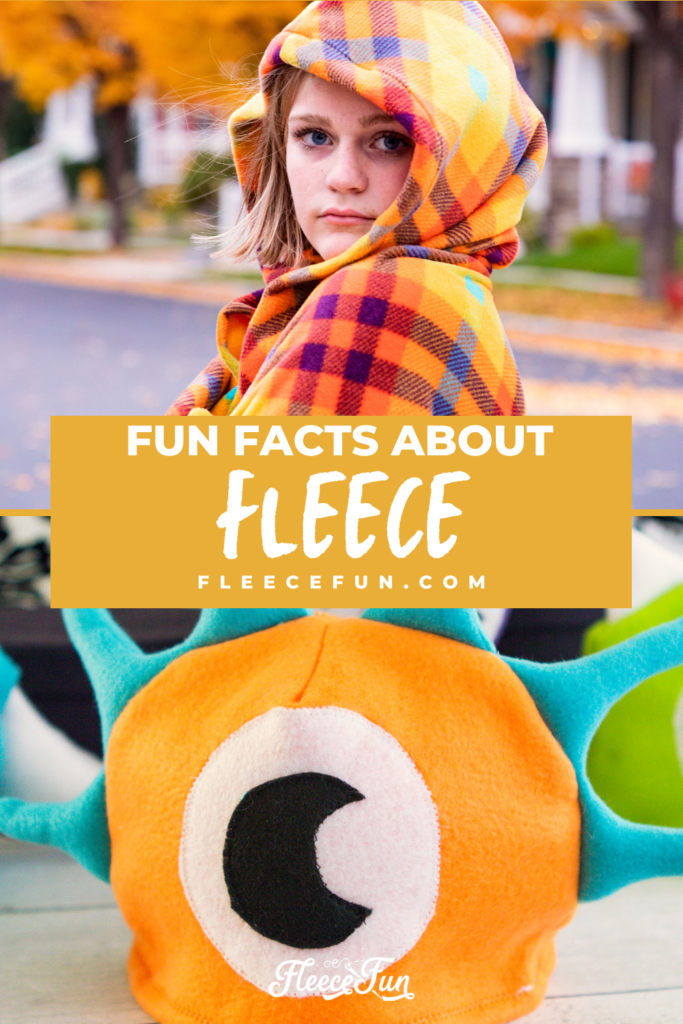
Fleece broke into the sportswear industry in the 1980s and soon became a cultural phenomenon. By the 1990s, it was a staple in American fashion, often associated with casual, comfortable wear. In recent years, fleece has made a comeback, appearing in high-performance outerwear and designer collaborations. Its versatility and ease of styling make it a go-to fabric for both outdoor adventures and cozy indoor lounging.
The Fleece Warmth Factor: Insulation at Its Best
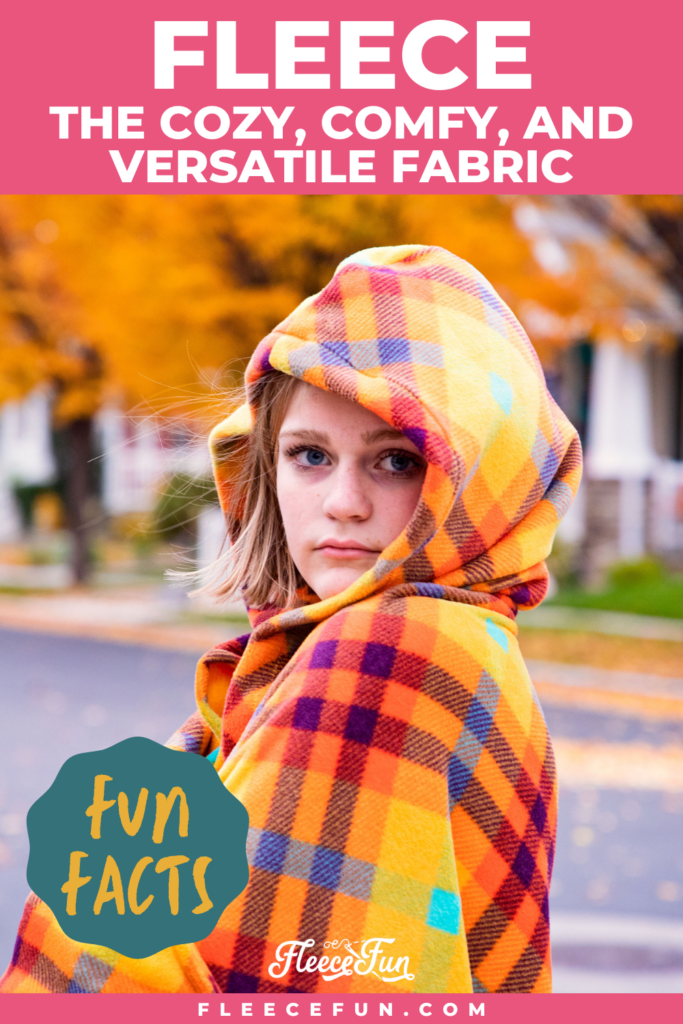
One of fleece’s most celebrated qualities is its ability to keep you warm. The synthetic fibers are excellent at retaining heat while remaining breathable. This makes fleece ideal for both indoor and outdoor use. It’s especially popular in blankets, lounge pants, and outdoor gear like jackets and vests. The fabric’s insulating properties are enhanced by its ability to dry quickly and not hold water, making it perfect for chilly, wet conditions.
Lightweight and Packable: Perfect for Adventurers
Fleece is incredibly lightweight compared to wool, yet it provides similar warmth. This makes it an excellent choice for outdoor activities like hiking and camping. Its light weight and compressibility mean it won’t take up much space in your backpack, but it will keep you warm when you need it. Whether you’re scaling a mountain or enjoying a winter picnic, fleece is your trusty companion.
The Vegan-Friendly Choice: Warmth Without Wool
For those who avoid animal products, fleece is a fantastic alternative to wool. Made entirely from synthetic materials, fleece provides the same cozy warmth without involving any animal byproducts. This makes it a popular choice among vegans and those looking for cruelty-free clothing options.
The Eco-Friendly Angle: Recycling to the Rescue
While conventional fleece has its environmental drawbacks, recycled fleece offers a more sustainable option. By repurposing single-use plastics, recycled fleece helps reduce the environmental impact of fashion. Brands that use recycled fleece in their products contribute to reducing landfill waste and decreasing the industry’s reliance on fossil fuels. It’s a win-win for warmth and the environment.
Practical Uses of Fleece: Everyday Comfort
Fleece’s versatility extends to various practical applications:
- Fleece Vests: Great for outdoor activities in chilly weather, providing warmth to the chest while allowing arm mobility.
- No Sew Blankets: Fleece’s hydrophobic properties make it perfect for staying warm for indoor and outdoor events
- Beanie Hats: Lightweight and breathable, fleece is ideal for cold days that keep you comfortable without getting heavy when wet.
The Future of Fleece: Innovations and Trends
As technology and sustainability efforts advance, the future of fleece looks promising. Innovations in recycled materials and eco-friendly production methods continue to improve the fabric’s environmental footprint. Additionally, new blends and finishes are expanding fleece’s range of applications, making it an even more versatile and beloved fabric.
The Fun World of Fleece
From its origins as a wool imitation to its current status as a staple in fashion and outdoor gear, fleece has come a long way. Its durability, warmth, and versatility make it a favorite for many. Whether you’re seeking a cozy blanket, a stylish jacket, or an eco-friendly clothing option, fleece has something to offer. Embrace the warmth and enjoy the many benefits of this fantastic fabric!
Stay Cozy, Stay Happy
As you bundle up in your favorite fleece garments this winter, remember the fascinating journey this fabric has taken. Its invention, evolution, and the innovative ways it’s being used today are all part of what makes fleece so special. So, stay cozy, stay warm, and let fleece be your trusty companion through the cold months ahead.
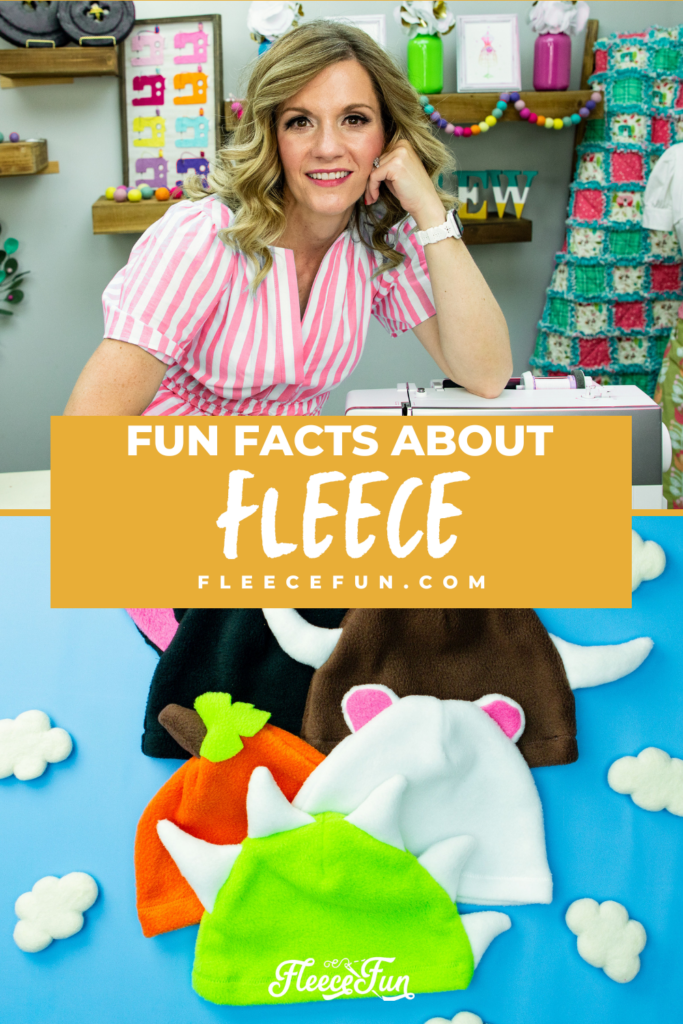
You Might also like these free Fleece Hat Patterns:
- Basic Fleece Hat
- Fleece Hat with Earflaps
- Slouchy Fleece hat
- Fleece Hat with Ribbon
- Monster Fleece hat
- Fleece hat with Bunny Ears
- Fleece Hat with Puppy Ears
- Fleece Hat with Horns
- Fleece Dragon/ dinosaur, cat, pumpkin, viking
- Fleece Hat with Bear Ears
- Unicorn Fleece Hat

I was just wondering if you tell somehow when you buy a blanket at the store if it’s anti-pill or not?
Hi Shauna,
There isn’t a “fool proof” way (that I know of) to tell. Odds are the cheap the blanket the more likely it will pill.
Could you please discuss “blizzard” fleece. In particular, what makes it different from anti-pill fleece. Thanks
Blizzard is just a cheaper version of “polar” fleece. Polar being a copyrighted term by Polartec. Anti pill won’t pill after washing where some other fabrics can get the little balls after washing multiple times.
Can I use fleece … Anti pill or non anti pill in oven mitts? Thanks, Linda
No. The Fleece Will melt and potntially burn you. It is not designed to take high heat. Always use cotton for oven mitts.
Thanks so much for all your information. I’m from MN where it gets really cold so I’m already thinking about sewing fleece for the winter, I’m looking for more info about heavier fleece possibly also water and wind resistant.
Also, I enjoyed reading more facts about fleece. Especially heartwarming– the story about Aaron Feuerstein who developed fleece but did not patent the process so the material could remain cheap for everyone.
So, your site was not only informative but inspiring. Pretty good mix for a day of sewing.